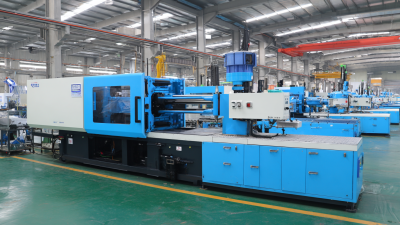
Choosing a reliable rubber molding company can affect product safety, delivery schedules, and long-term operating costs. For global buyers, the decision involves more than comparing unit prices. Material consistency, tooling accuracy, production capacity, and technical communication all deserve careful attention.
This guide reviews ten leading rubber molding companies serving international customers. Each company is considered through practical factors, including industry experience, manufacturing capabilities, quality systems, and export support. We look for evidence such as documented testing procedures, traceability records, sample approval processes, and clear tolerance control. Factory scale matters, but it does not tell the whole story. A smaller supplier may provide closer engineering support and faster design feedback.
Details reveal reliability. Can the supplier explain how it controls compression set? Does it inspect molded seals under realistic temperature and pressure conditions? Are drawings reviewed before tooling begins? These questions matter when a component must fit inside a medical device, vehicle assembly, pump, or industrial enclosure.
No ranking can suit every buyer. That is worth remembering. A company strong in silicone parts may not be ideal for heavy-duty EPDM components. A supplier with advanced automation may still struggle with urgent design changes. Buyers should verify certifications, production claims, material data, and references independently before signing a contract. This article offers a practical starting point for evaluating global rubber molding partners, while recognizing that communication, application requirements, and risk tolerance can change the final choice.
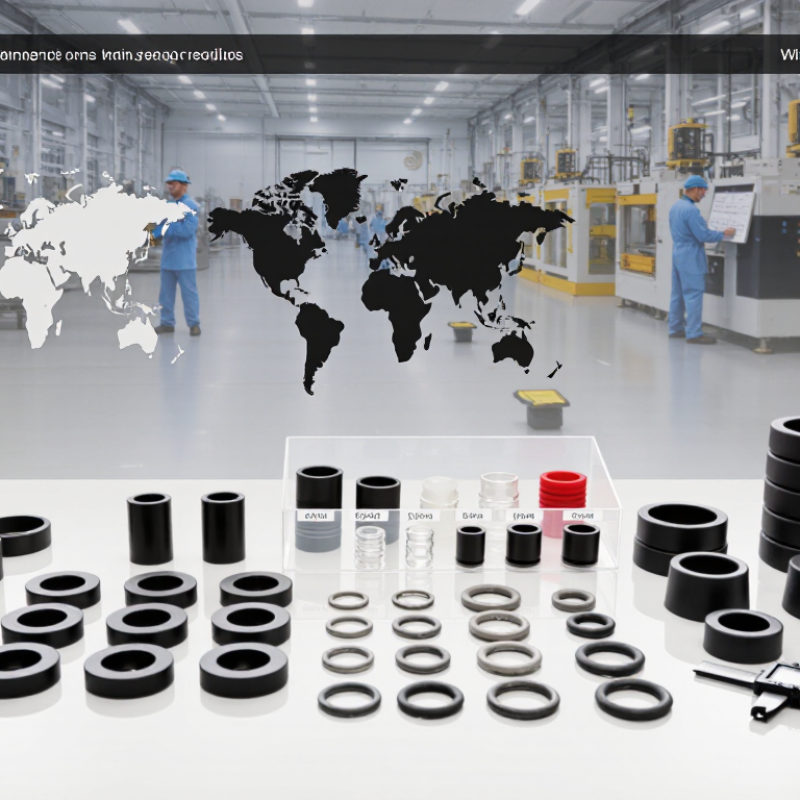
When comparing rubber molding companies, look beyond the quoted price. Ask which materials they can process and whether they can explain how compound choice affects heat, oil, or weather resistance. Request examples of relevant parts, plus sample inspection records. A clear answer matters. So does a sample that matches the drawing. Check how the supplier controls dimensions, flash, and surface defects during production, not only during initial approval.
For international purchasing, confirm who manages packaging, export documents, and delivery updates. Ask for a realistic production schedule that includes tooling, sampling, and revisions. Compare the full cost, including freight and any expected inspection work. Technical communication deserves close attention: can the team clarify tolerances, flag design risks, and respond with measured evidence? One awkward point: a polished presentation does not guarantee consistent production. I would verify claims against sample results and a defined quality plan.
Tips: Send a controlled drawing and specify the rubber’s working conditions. Agree on measurable acceptance criteria before ordering. Keep one approved sample for comparison. Small checks now can prevent costly surprises later.

Leading rubber molding manufacturers do more than press material into a mold. They help match rubber compounds to heat, oils, weather, and repeated flexing. Their teams should explain trade-offs between hardness, tear strength, compression set, and cost in plain language. Small details matter. Mold design, vent placement, and cure time can affect flash, surface finish, and part consistency. Ask how the manufacturer controls these variables across production runs.
Reliable suppliers can support prototyping, pilot runs, and larger orders without losing sight of inspection needs. Look for documented material traceability, dimensional checks, and tests suited to the part’s actual use. These may include tensile, aging, or compression-set testing. Clear drawings and agreed acceptance criteria reduce avoidable delays. Still, a polished quality document cannot guarantee perfect parts; buyers should review samples and discuss how defects are handled. Communication across time zones can also be imperfect, so confirm who owns technical questions and response timelines.
Tips: Send a complete drawing, operating conditions, and expected quantities. Request sample parts and relevant test results before approving production. Ask about tooling ownership, maintenance, and lead times. Compare more than unit price; a low quote may omit inspection or material controls.
Top rubber molding companies stand out through process control, material knowledge, and dependable communication. Some specialize in compression molding for large, durable parts; others use injection molding for repeatable components with intricate shapes. Transfer molding can suit parts that need inserts or careful cavity filling. The right strength depends on the product, not a ranking alone.
Look for suppliers that can explain how they select compounds for heat, oil, weather, or repeated flexing. Ask for sample inspection records, dimensional reports, and details about production checks. A capable engineering team can review a drawing, flag thin walls, and suggest changes before tooling begins. Small details matter. A seal that looks simple may still need controlled flash, consistent hardness, and a clean mating surface. Global buyers should also check lead times, packaging, and whether technical documents arrive in a usable format. These points are easy to overlook.
No supplier excels at every material and volume. A company with strong prototyping support may not offer the lowest unit price at scale. Even a polished capability sheet cannot replace a trial run. Compare samples under real operating conditions, and record what fails. That extra step can feel slow, but it often reveals more than a sales call.
Choosing among the 10 best rubber molding companies requires more than checking a glossy catalog. Global buyers should examine repeatability, material control, engineering support, and delivery evidence. Quality begins with consistent compound mixing, accurate mold temperatures, and stable dimensional results. Ask for inspection records, sample approvals, and traceability from raw material to packed shipment. A serious manufacturer can explain hardness testing, tensile results, compression set, and visual defect limits in practical terms. Details matter. Factory experience also shows in how quickly teams handle flash, shrinkage, or an unclear drawing.
Technology separates capable producers from crowded competitors. Modern compression, transfer, and injection molding systems can reduce waste and improve cycle control, but newer equipment alone proves little. Buyers should compare mold-flow analysis, automated trimming, in-process sensors, and maintenance discipline. Pricing deserves equal scrutiny. A low quotation may exclude tooling changes, testing, packaging, or freight preparation. Request a line-by-line offer with annual volume assumptions and replacement-part costs. Price is not value. The better comparison measures cost per approved part, not the first invoice.
Production capacity must match demand without weakening inspection standards. Review press sizes, available shifts, backup equipment, labor training, and the company’s record during peak orders. A supplier claiming high monthly output should show realistic capacity calculations and recent on-time performance. Visit the facility when possible, or arrange a live video audit. I would also test a small pilot order before signing a large contract. This is slower, perhaps. It reveals communication gaps, packaging damage, and batch variation early. Reliable partners welcome technical questions, admit limits, and document corrective actions instead of promising perfection.
Suggested scorecard weights for comparing suppliers—not survey results or ratings of specific companies. Assess quality, process capability, production capacity, total landed cost, and compliance using your project requirements.
Selecting the Right Rubber Molding Partner for Your Business
Choosing a rubber molding partner requires more than comparing unit prices. Review their experience with your material, product geometry, tolerance requirements, and production volume. A supplier skilled in silicone may not perform equally well with EPDM, NBR, or fluoroelastomers. Fit matters. Ask for evidence.
Request sample inspection reports, mold-flow considerations, process controls, and clear defect limits. Reliable manufacturers explain how they manage flash, shrinkage, hardness variation, and surface flaws. They should also discuss tooling ownership, maintenance, lead times, and replacement plans. For global projects, confirm export experience, packaging methods, documentation, and communication practices. A polished presentation can still hide weak process control.
Tips: Visit the facility when possible, or arrange a live production audit. Ask to review anonymized quality records and corrective-action reports. Test samples under real temperature, pressure, chemical, or sealing conditions. Do not rush. One overlooked tolerance can create expensive assembly failures. It is also wise to compare two or three qualified suppliers instead of relying on one attractive quotation. The cheapest offer may exclude tooling updates, inspection, or packaging. That detail is easy to miss. A strong partner welcomes technical questions, admits limitations, and suggests practical improvements before mass production begins.
Use these ten evidence-based evaluation areas to compare prospective rubber molding suppliers. No company ranking or supplier-specific performance data is implied; verify each item directly with the supplier.
| Evaluation Area | What to Assess | Evidence to Request | Why It Matters to Global Buyers |
|---|---|---|---|
| 1. Molding Processes | Confirm whether the supplier offers compression, transfer, and/or injection molding, and which processes suit the part’s geometry, volume, and material. | Process capability overview, equipment list, and examples of comparable parts, subject to confidentiality restrictions. | The appropriate process affects tooling design, production method, and part consistency. |
| 2. Material Selection | Check experience with relevant elastomers, such as EPDM, NBR, silicone, FKM, and natural rubber. Suitability depends on the operating environment and compound formulation. | Compound technical data sheets, material traceability information, and documented material-selection support. | Different rubber compounds have different properties; selection should reflect temperature, fluids, exposure, and application requirements. |
| 3. Quality Management | Review the supplier’s quality management system and its scope. ISO 9001 is a general quality management standard; IATF 16949 is an automotive quality management standard. | Current certificates, certification scope, audit information, and quality-control procedures. | Certification scope and day-to-day controls help buyers assess whether the supplier’s system fits their industry and product requirements. |
| 4. Testing and Validation | Ask how the supplier verifies dimensions and relevant material properties, including tensile strength, hardness, aging, or fluid resistance when required by the specification. | Sample inspection reports, test methods, equipment calibration records, and access to qualified external laboratories where needed. | Testing should be matched to the part specification. ASTM D412 covers rubber tensile properties, ASTM D2240 covers durometer hardness, and ASTM D471 covers effects of liquids on rubber. |
| 5. Tooling and Design Support | Assess design-for-manufacturing input, mold construction and maintenance arrangements, ownership terms, and the process for engineering changes. | Tooling quotation, design review process, maintenance plan, and written terms for tool ownership and transfer. | Clear tooling arrangements can reduce ambiguity over cost, modifications, maintenance, and future production continuity. |
| 6. Production Capacity and Lead Times | Review available equipment, production scheduling, stated lead times, and the supplier’s approach to managing demand changes. | Capacity information, a proposed production schedule, and documented assumptions behind quoted lead times. | Capacity and lead-time claims should be checked against the buyer’s forecast, order size, and delivery schedule. |
| 7. Traceability and Corrective Action | Determine how materials and production lots are identified and how nonconformities, root-cause investigations, and corrective actions are handled. | Example lot-traceability records, nonconformance workflow, and corrective-action documentation with confidential details removed. | Traceability supports investigation and containment when a quality issue affects a production lot. |
| 8. Regulatory and Industry Requirements | Identify requirements specific to the end use. For example, ISO 13485 applies to quality management systems for medical devices; certification alone does not establish that every part meets a buyer’s regulatory obligations. | Applicable certificates, declarations, material documentation, and a written statement of the supplier’s role in meeting the specified requirements. | Requirements vary by product, destination market, and intended use, so buyers should confirm applicability before placing an order. |
| 9. International Logistics and Communication | Evaluate export experience, packaging options, shipping coordination, communication practices, and the process for handling delivery issues across time zones. | Sample export documentation, packaging specifications, shipping terms in the quotation, and named points of contact. | Clearly agreed logistics responsibilities help avoid misunderstandings about shipping, documentation, and delivery handoffs. |
| 10. Environmental Management and Supplier Risk | Review environmental management practices and assess risks such as dependence on a single production site, critical material availability, and business continuity planning. ISO 14001 is an environmental management system standard. | Current certificate and scope if claimed, relevant environmental procedures, continuity plans, and disclosed sourcing or site-dependency information. | These checks help buyers understand environmental management practices and potential supply interruptions without treating certification as a guarantee of performance. |
Selection tip: Share the same drawing, material specification, annual demand, quality requirements, and delivery assumptions with each prospective supplier. Compare quotations on the same basis and verify certificates, test methods, and capability claims before approval.
Copyright © 2025 The Toolroom Inc. All Rights Reserved.
Website Design St Louis by IQComputing