
Blog

What Is the Best Tablet Counter for Global Buyers in 2026?

For global buyers in 2026, choosing the best Tablet Counter requires more than comparing prices and advertised speeds. A reliable machine should count different tablet shapes accurately, handle dust, and support stable production across changing batches. It should also offer clear controls, quick product changeovers, and practical cleaning access. Small details matter. A difficult hopper can waste hours every week.

Pharmaceutical packaging consultant Michael T. Smith explains, “Counting accuracy begins with product control, not merely with the machine’s sensor.” This principle deserves attention. Buyers should examine sample-testing records, reject performance, calibration procedures, and the supplier’s validation support. Electronic records, access controls, and audit trails may also matter when equipment operates within regulated manufacturing systems. Regional requirements can differ, so buyers should confirm applicable GMP expectations, electrical certifications, and documentation before placing an order.

The strongest Tablet Counter is not always the fastest model. A compact line may need flexibility, while a high-volume facility may prioritize continuous operation and remote diagnostics. Ask how quickly parts arrive. Ask who will train operators. Ask what happens after the warranty ends. These questions reveal the supplier’s real experience.

There is no perfect purchase.

I have seen specifications look impressive until irregular tablets, powder buildup, or frequent format changes reduce performance. That is why factory acceptance testing, application trials, and references from similar facilities remain valuable. Global buyers should compare measurable results, lifetime service costs, and local technical support. The best decision balances accuracy, compliance, usability, and dependable ownership—not just the number printed on a brochure.
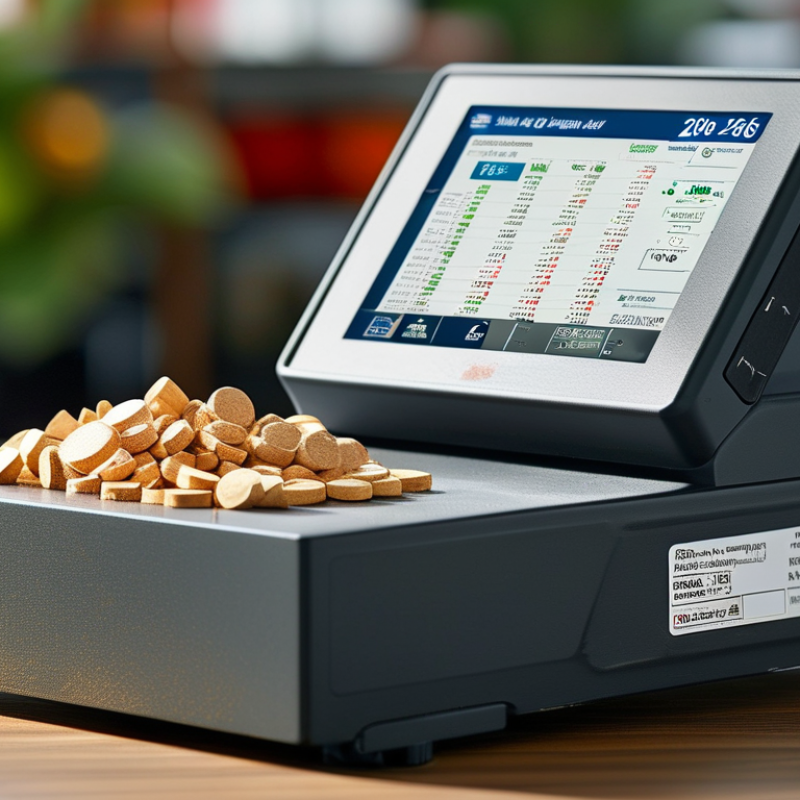
What Is the Best Tablet Counter for Global Buyers in 2026?

What Is a Tablet Counter and How Does It Work?

A tablet counter is a machine that counts solid tablets before they enter containers. It uses controlled movement, sensors, and software to track each unit. Most machines include a hopper, vibrating channel, counting sensors, and a discharge gate. Tablets move through narrow lanes at a steady speed. The sensor detects every passing tablet and sends signals to the controller.

In practical use, an operator fills the hopper and selects a target quantity. The feeder separates tablets so they do not overlap. Optical or electronic sensors then record each tablet individually. When the set number is reached, the gate directs tablets into a container. The system can pause automatically when the container is missing or incorrectly positioned. Dust, static, unusual shapes, and damaged tablets can still affect accuracy. No counter is perfect.

For global buyers in 2026, technical details matter more than attractive speed claims. Check counting accuracy, adjustment range, cleaning access, and material quality. Ask for test records using tablets similar to your own. I would also inspect noise levels and the ease of changing product settings. These details influence daily work. A clear manual, training support, and stable electrical compatibility reduce avoidable mistakes. Some machines appear simple, but calibration may require patience. I still recommend repeated trial runs before regular operation.

Which Tablet Counting Technologies Suit Different Global Buyers?

The best tablet counter depends on the buyer’s production reality, not simply the highest speed. A 2024 Grand View Research report estimates the global pharmaceutical packaging market will grow at about 9.7% annually through 2030. That growth increases pressure for stable, traceable counting systems. High-volume manufacturers usually suit electronic optical counters with multiple channels. These systems detect shape, size, and movement, then reject unusual tablets. They offer speed, but dusty environments can reduce sensor accuracy.

Contract manufacturers and regional pharmacies often need flexibility more than maximum output. Linear counters with adjustable lanes handle different tablet sizes and frequent product changes. They are easier to clean between batches. Vision-assisted systems add image checks and can identify broken or visibly damaged tablets. They cost more, though. A 2023 ISPE report on pharmaceutical manufacturing trends highlights data integrity and automated verification as continuing priorities. Buyers should therefore assess batch records, audit trails, and software access controls, not only tablets per minute.

Smaller facilities may prefer semi-automatic counters. They require more operator attention but usually demand less capital and floor space. For humid markets, buyers should inspect stainless-steel construction, dust control, and cleaning access. Very small tablets remain difficult. Even advanced systems can miscount when tablets overlap or carry static charge. My practical view is cautious: request a live test using the actual tablet, bottle, speed, and packaging material. Brochures rarely show the awkward batch. Test results do.

What Is the Best Tablet Counter for Global Buyers in 2026? — Which Tablet Counting Technologies Suit Different Global Buyers?
Buyer Profile Recommended Counting Technology Typical Operating Principle Best-Fit Tablet Characteristics Typical Throughput Range Counting Accuracy Potential Key Advantages Main Limitations Recommended Priority
Small pharmacy or community dispensary Electronic tray counting Tabletop vibrating or guided channels separate tablets before sensors count them. Uniform, dry, non-sticky tablets with relatively consistent dimensions. Approximately 500–2,000 tablets per minute, depending on model and product. Up to approximately 99.5% under suitable operating conditions and correct setup. Lower purchase cost, compact footprint, simple operation, and easy product changeover. Less suitable for irregular shapes, fragile tablets, powdery products, or frequent high-volume production. ★★★★★ Cost efficiency
Medium-size pharmaceutical distributor Vibratory linear counting Controlled vibration moves tablets through multiple lanes while photoelectric sensors detect each unit. Coated or uncoated tablets with moderate variation in size and shape. Approximately 1,000–4,000 tablets per minute. Typically 99.5% or higher when tablet flow is stable and validated. Good balance between throughput, flexibility, operating cost, and maintenance. Requires careful adjustment of vibration, feed rate, sensor position, and product settings. ★★★★★ Overall balance
High-volume contract packager Multi-lane electronic counting Several parallel channels feed tablets to independent optical counting points before synchronized discharge. High-volume runs involving consistent tablets and frequent bottle or container filling. Approximately 3,000–12,000 tablets per minute, depending on lane count and tablet size. Commonly designed for 99.5% or better counting performance with suitable validation. High output, repeatable dosing, and improved production efficiency. Higher capital cost, more complex changeover, and greater demands on cleaning and preventive maintenance. ★★★★★ Throughput
Regulated pharmaceutical manufacturer Servo-controlled counting with recipe management Servo-driven feeding, optical detection, programmable recipes, and controlled container handling work as one system. Products requiring documented settings, repeatable batches, audit trails, and controlled production processes. Approximately 2,000–10,000 tablets per minute, depending on configuration. Designed to support validated performance; actual results depend on product, process, and qualification. Strong process control, repeatability, data recording, and integration with packaging lines. Higher acquisition cost, longer commissioning, and more formal validation requirements. ★★★★★ Compliance control
Buyer handling multiple tablet sizes and formulations Vision-assisted counting Cameras identify and count tablets using image analysis, often combined with controlled product presentation. Tablets with varying colors, shapes, imprints, or dimensions that are difficult to separate using basic sensors. Approximately 500–5,000 tablets per minute, depending on image-processing speed and product presentation. Potentially high accuracy when lighting, contrast, and tablet orientation are controlled. Flexible product recognition, image-based inspection, and suitability for complex product portfolios. Higher software complexity; dust, glare, overlapping tablets, and poor lighting can affect performance. ★★★★★ Product flexibility
Buyer packaging fragile, friable, or specialty tablets Low-impact servo or belt-based counting Gentle conveying and controlled acceleration reduce drops, collisions, and tablet-to-tablet impact. Effervescent, friable, scored, soft-coated, or easily chipped tablets. Approximately 300–2,500 tablets per minute. High counting accuracy is achievable, but product protection is the primary design objective. Reduced breakage, lower dust generation, and improved handling of sensitive products. Usually slower and more expensive than standard high-speed vibratory systems. ★★★★★ Product protection
Export-oriented buyer serving multiple markets Modular counting and packaging line Counting, bottle feeding, filling, capping, sealing, labeling, and inspection modules are configured as a coordinated line. Stable product formats with changing container sizes, closure types, or regional packaging requirements. Approximately 20–100 containers per minute, depending on container size, count per bottle, and line layout. Depends on the counting module, container handling, inspection controls, and validation procedures. Scalable configuration, easier future upgrades, and compatibility with varied packaging formats. More floor space, more interfaces between modules, and higher installation and integration requirements. ★★★★★ Scalability
Labor-cost-sensitive buyer in a developing market Semi-automatic electronic counter An operator loads containers and product while the electronic system performs controlled counting and dispensing. Moderate production volumes and products with predictable flow characteristics. Approximately 300–1,500 tablets per minute. Generally high when the operator maintains correct settings and product flow. Lower investment, simpler installation, and reduced manual counting errors. Operator-dependent, slower than fully automatic lines, and less suitable for continuous large-scale production. ★★★★★ Entry value
Buyer requiring rapid cleaning and product changeover Tool-less removable counting channels Quick-release contact parts and accessible product paths allow faster disassembly, cleaning, and reassembly. Frequent changes between tablet types or products requiring strict cross-contamination control. Approximately 500–4,000 tablets per minute, depending on the counting configuration. Accuracy depends on the selected sensor system and the quality of changeover procedures. Shorter changeover time, improved accessibility, and easier sanitation verification. Quick-release parts do not replace documented cleaning, inspection, and line-clearance procedures. ★★★★★ Changeover speed
Selection note: Actual performance varies with tablet diameter, thickness, coating, friability, static charge, dust level, container size, target count, feeding method, and validation requirements. Buyers should request product trials and verify accuracy, throughput, cleaning time, electrical compatibility, safety compliance, service support, and spare-parts availability before purchase.

How to Evaluate Accuracy, Speed, Capacity, and Ease of Use

What Is the Best Tablet Counter for Global Buyers in 2026?

Accuracy should lead every tablet counter evaluation. A reliable machine should detect missing, doubled, or damaged tablets during repeated tests. Ask suppliers for trial data, calibration records, and a clear error-rate definition. Test different tablet sizes, shapes, colors, and surface finishes. A counter that performs well with one sample may struggle with another. Small errors become expensive during long production runs.

Speed matters, but maximum speed can be misleading. Check the stable working speed with your actual containers and tablet types. Compare bottles per minute, feeding consistency, and stopping time between batches. Capacity also deserves attention. A larger hopper reduces refilling, yet excessive loading may cause bridging or uneven feeding. Measure the useful capacity, not only the advertised capacity. This is where buyers often overlook practical limits.

Tips: Request a live demonstration using your samples. Inspect the counting path, sensors, guards, and cleaning access. Ask how quickly operators can change formats and correct counting faults. The interface should be clear, multilingual, and simple to train. Confirm voltage compatibility, spare-part availability, manuals, and remote support for your region. I would also record noise, dust, and rejected tablets during testing. These details are easy to ignore. They may affect daily comfort and product consistency. A rushed evaluation can produce a machine that is accurate in theory, but frustrating in practice.

What Is the Best Tablet Counter for Global Buyers in 2026?

A practical evaluation model for comparing accuracy, speed, capacity, and ease of use.

Accuracy receives the highest weighting because counting errors directly affect inventory control, packaging quality, and compliance. Speed and hopper capacity are important for high-volume operations, while ease of use helps reduce training time, setup errors, and changeover delays. The percentages represent a practical procurement framework rather than performance claims for any specific manufacturer.

What Compliance and Safety Standards Should Buyers Check?

What Is the Best Tablet Counter for Global Buyers in 2026?

When choosing a tablet counter, compliance should guide the purchase, not only speed or price. Buyers should request a Declaration of Conformity and verify the standards listed for their destination market. CE or UKCA marking may apply, but neither replaces a complete technical file. Electrical safety, electromagnetic compatibility, and machine guarding deserve equal attention.

For pharmaceutical production, ask whether the machine supports GMP expectations and documented cleaning procedures. Product-contact parts should have suitable material declarations and smooth, accessible surfaces. A reliable supplier should provide risk assessments, wiring diagrams, calibration records, and user instructions. If software stores production data, review audit trails, access controls, and electronic-record requirements. Paperwork can look complete and still hide gaps. I would not accept certificates without checking their scope and expiry dates.

Tips: Request FAT and SAT records before payment. Confirm IQ, OQ, and PQ support if validation is required. Test counting accuracy with different tablet sizes, shapes, and coating conditions. Check guards, emergency stops, dust control, noise levels, and operator access during a live demonstration. Also ask who performs calibration and how quickly replacement parts arrive. A small gap here can become a costly production delay.

How to Select the Best Tablet Counter for Each Application

Selecting the best tablet counter starts with the application, not the catalog price. A retail pharmacy usually needs compact equipment, fast changeovers, and reliable counting for different tablet shapes. A contract packager needs higher throughput, recipe storage, dust control, and repeatable container handling. For nutraceutical lines, gentle product movement may matter more than maximum speed.

Scale also changes the decision. Grand View Research valued the global pharmaceutical packaging market at about USD 128 billion in 2023, showing the pressure on packaging operations to improve output and traceability. PMMI’s 2024 Pharmaceutical and Medical Device Packaging Trends report highlights labor reduction, flexibility, and digital integration as continuing automation priorities. Therefore, buyers should test actual tablets, not only accept brochure figures. Measure counting accuracy, rejected units, changeover minutes, noise, and cleaning time.

Compliance needs practical attention. Equipment used in regulated production should support documented calibration, audit trails, controlled access, and data integrity aligned with applicable GMP expectations. USP <905> also provides a useful reference for dosage-unit uniformity, although it does not replace process validation. A perfect counter probably does not exist. I would question any supplier promising identical performance across fragile, coated, and irregular tablets. Ask for factory trials using your containers and products. Small tablets can bridge unexpectedly. Dust can expose weaknesses. That is where the real selection begins.

Copyright © 2025 The Toolroom Inc. All Rights Reserved.
Website Design St Louis by IQComputing