Why Choose Short Run Plastic Injection Molding?
Why choose short run plastic injection molding when full-scale production appears more efficient? The answer often begins with risk. For new products, limited market tests, and specialized components, producing thousands of parts can create expensive inventory. Short run plastic injection molding offers a controlled way to evaluate a design before committing to larger tooling and production volumes. It can support functional prototypes, pilot batches, replacement parts, and early customer feedback. Real parts reveal details that computer models may miss. A clip may flex poorly. A surface may show an unexpected flow mark. A housing may not fit as planned.
Experienced manufacturers review material selection, mold design, cooling, tolerances, and expected usage before quoting a project. Aluminum tooling may reduce initial cost and shorten preparation time, although it is not ideal for every geometry or production environment. The right choice depends on part complexity, resin behavior, required finish, and forecasted demand. Small batches help teams make informed adjustments. They do not remove every manufacturing challenge. Some assumptions still fail.
That is valuable. Engineers can inspect parts under real conditions, measure dimensions, and compare performance with the original specification. Reliable suppliers document process settings, inspect samples, and communicate limitations clearly. They should also explain when short-run molding is unsuitable. A high-volume product with stable demand may require hardened tooling and a different cost structure. Careful analysis matters more than attractive promises. Done properly, short run plastic injection molding turns uncertainty into measurable evidence and helps businesses improve products before scaling.
What Is Short Run Plastic Injection Molding?
Short run plastic injection molding means producing a limited quantity of identical plastic parts, usually before full-scale manufacturing. The boundary is not perfectly fixed. In practice, it may range from dozens to several thousand units, depending on part size, tooling, material, and quality requirements.
This process uses a production-grade mold, but limits the initial investment and inventory risk. It suits functional prototypes, pilot programs, replacement parts, and early market testing. A 2024 market analysis by Grand View Research valued the global injection molding machine market at approximately USD 20.67 billion in 2023. This indicates strong industrial demand, although market size alone does not guarantee the right process for every project. The Plastics Industry Association’s 2024 industry data also highlights the scale of plastics manufacturing in the United States, with millions of workers supporting design, processing, and supply operations. Short runs can connect these capabilities with real customer feedback.
Tips: Confirm the annual demand before choosing tooling. Ask for a material datasheet and dimensional inspection plan. Include draft angles, uniform wall thickness, and realistic tolerances early. A cheaper mold may create higher unit costs later. That trade-off deserves careful review.
How Does the Short Run Molding Process Work?
Why Choose Short Run Plastic Injection Molding?
How Does the Short Run Molding Process Work?
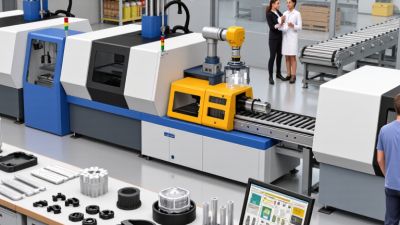
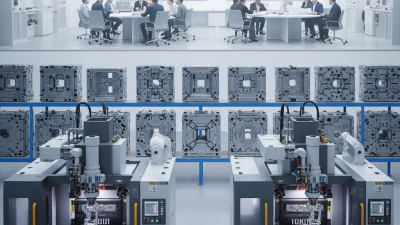
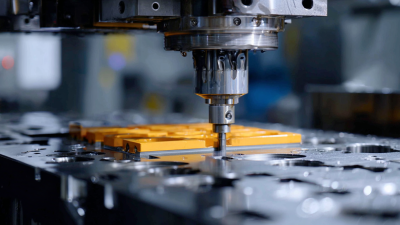
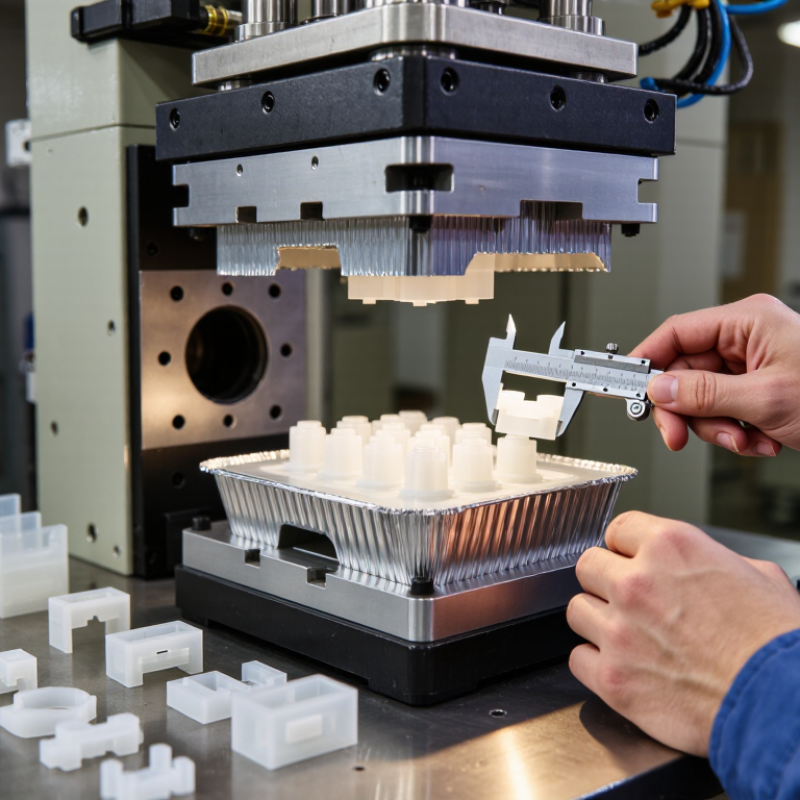
Short run plastic injection molding begins with a production-ready design review. Engineers check wall thickness, draft angles, ribs, and possible sink marks. The team then creates a simplified mold, often using aluminum or replaceable steel inserts. This tooling costs less and can be completed faster than a high-volume mold. Small batches matter.
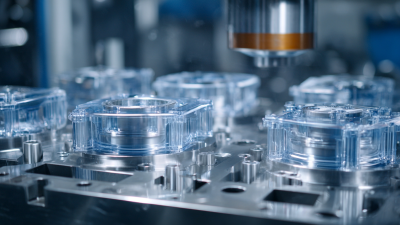
Before production, the selected resin is dried according to its technical data. Moisture can cause bubbles, weak areas, or rough surfaces. During molding, heated plastic enters the cavity through a controlled gate. Pressure holds the material against the mold walls while cooling channels remove heat. Operators monitor fill time, pressure, temperature, and cycle duration. These details affect dimensions and surface quality.
After ejection, each part receives a practical inspection. Measurements may include critical holes, wall thickness, and overall length. Samples are also checked for flash, warping, discoloration, and incomplete filling. When a defect appears, technicians may adjust temperature, pressure, cooling time, or the gate design. Not every trial works. That is useful information, not failure. Production records should connect each adjustment with measured results, allowing the process to become more stable. Short run molding also gives design teams a realistic chance to test assembly fit, hand feel, and performance before committing to larger tooling.
When Is Short Run Injection Molding the Right Choice?
Short run injection molding is the right choice when demand is uncertain, schedules are tight, or a design still needs practical testing. It produces real plastic parts without committing to high-volume tooling. A product team can inspect surface texture, snap fits, wall thickness, and assembly behavior before full production. This is useful for prototypes, pilot runs, replacement parts, and specialized products with limited demand.
The process works well when you need several hundred or a few thousand parts. It can support market trials without filling a warehouse with unused inventory. Engineers can also compare material options, colors, and dimensional changes between small batches.
However, short run molding is not automatically the cheapest option. Tooling design, mold maintenance, and setup costs still affect the final price. That assumption deserves testing.
Practical experience matters here. A reliable supplier should review draft angles, shrinkage, cooling, ejection, and inspection requirements before cutting the mold. Requesting sample parts can reveal problems that drawings miss, such as visible weld lines or slight warping near ribs. Short run molding may also suit bridge production while a permanent mold is being prepared. It offers flexibility, but flexibility has limits. If demand rises quickly, the smaller tool may require revision or replacement. Teams should compare forecast volume, lead time, quality targets, and future tooling costs before choosing this path.
What Benefits Does Short Run Molding Provide?
Short-run plastic injection molding gives product teams a practical way to test parts before committing to large production volumes. It usually requires less upfront investment than a long-life production mold. This can protect cash flow during early development. It also reduces the risk of storing thousands of unproven parts.
The biggest benefit is faster learning. Engineers can inspect molded samples for fit, strength, surface finish, and assembly behavior. Real parts often reveal problems that computer models miss. A short production run may expose thin walls, sink marks, warping, or difficult ejection. That feedback supports measured design changes before full-scale tooling begins. It also helps purchasing teams estimate material use and realistic cycle times. Small quantities can reach pilot customers, technicians, or internal testers without creating excessive inventory. Very useful here.
Short-run molding can support bridge production while demand develops. It may also serve replacement parts, seasonal products, or specialized components. However, it is not automatically the cheapest option. Tool life, part geometry, resin selection, and quality requirements still affect the final cost. A poorly planned mold can create delays, even at low volumes. Teams should review draft angles, tolerances, cooling, and inspection methods with an experienced molding specialist. I have found that early feedback is valuable, but assumptions still need testing. The first batch is evidence, not proof.
Why Choose Short Run Plastic Injection Molding?
Short-run molding is often selected when teams need production-quality parts quickly while limiting upfront tooling commitment. The planning ranges below show typical lead times to first parts; actual timing depends on part complexity, material, mold design, and supplier capacity.
Key benefit: Short-run tooling can help shorten the path from design validation to usable parts, making it practical for prototypes, pilot builds, market testing, and low-volume production.
What Factors Should You Consider Before Choosing It?
Short run plastic injection molding can suit prototypes, pilot batches, and products with uncertain demand. However, choosing it requires more than comparing the quoted tooling price. Volume changes everything. A small order may reduce upfront investment, but the unit cost can remain high. Ask whether the expected sales justify mold preparation, machine setup, inspection, and material waste.
Consider the part’s geometry and performance requirements carefully. Thin walls, deep ribs, tight tolerances, and visible surfaces can increase tooling difficulty. A simple aluminum mold may work for limited production, while hardened steel could better support repeated cycles. The decision depends on expected quantity, surface finish, resin type, and product lifespan. Details matter. A cheaper mold is not automatically a better mold.
Review the manufacturer’s technical experience before approving the design. Request sample parts, dimensional inspection records, and a clear process for handling defects. Confirm whether the supplier can control shrinkage, warpage, color variation, and moisture-sensitive materials. Lead time also matters, especially when testing depends on several design changes. Short runs often expose weaknesses quickly. That assumption fails. A design that looks acceptable on a screen may produce sink marks around thick bosses or flash along the parting line. Build time for testing, feedback, and possible mold adjustment. A realistic decision balances cash flow, quality risk, production speed, and the chance that the design will change.